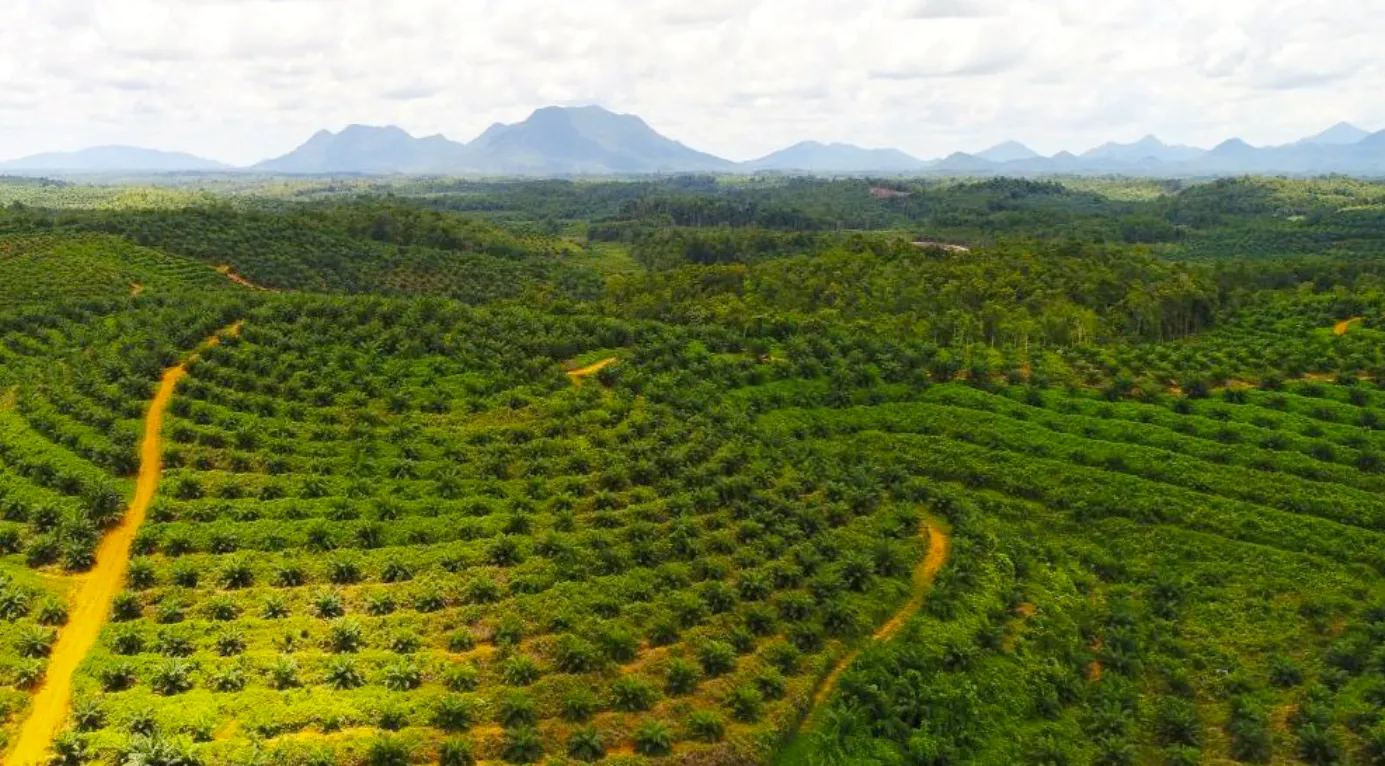
For Sale
Rp 525 B
Oil Palm Estate, Land Area ±6,800 Ha, for Sale in Landak, West Kalimantan
Landak
±6,800 ha
The oil palm plantations we are marketing in Kalimantan, with a guide to checking one before you buy.
The Vorneo Property Team
Usually replies within minutes
The Vorneo team guides you from the first message to the signed deal. Friendly, responsive, and never pushy.
0851-2699-4509
Everything we are marketing across Kalimantan. Use the filters and the map to narrow it down.
Rp 525 B
Landak
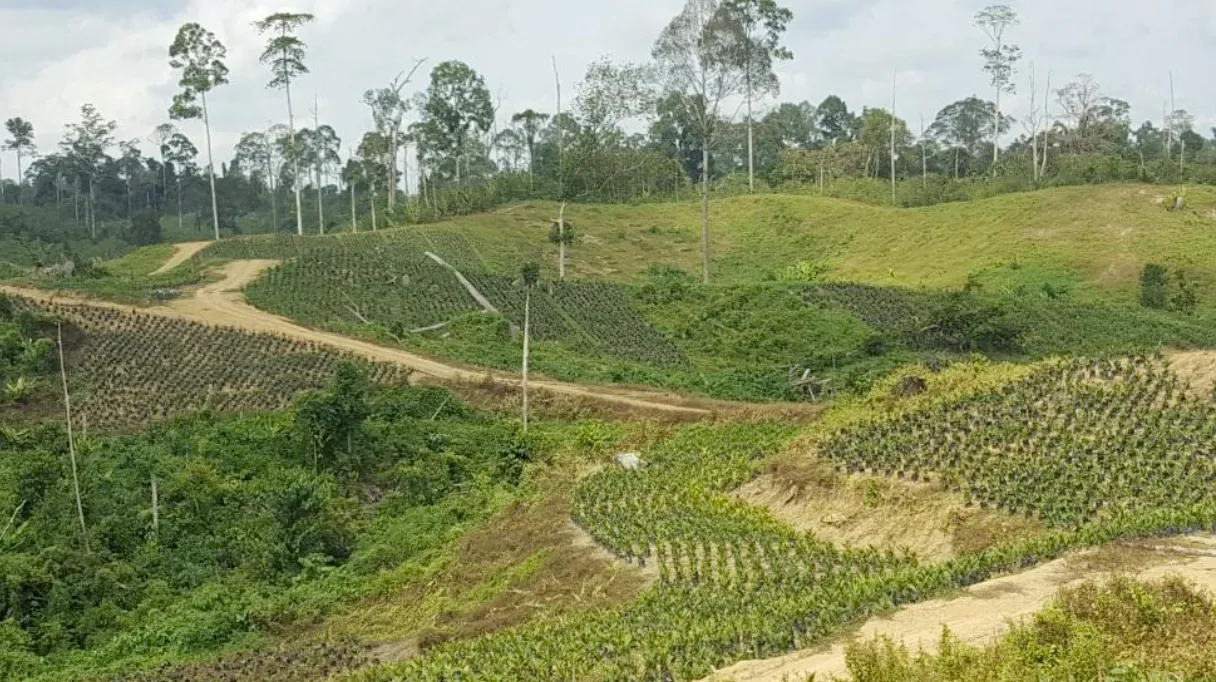
Rp 80 B
Gunung Tabur
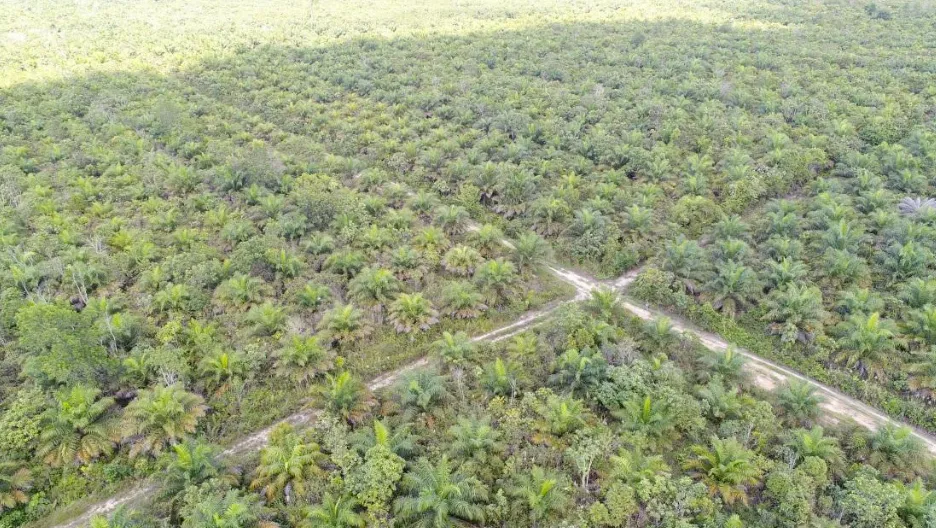
Rp 189.36 B
Kutai Kartanegara
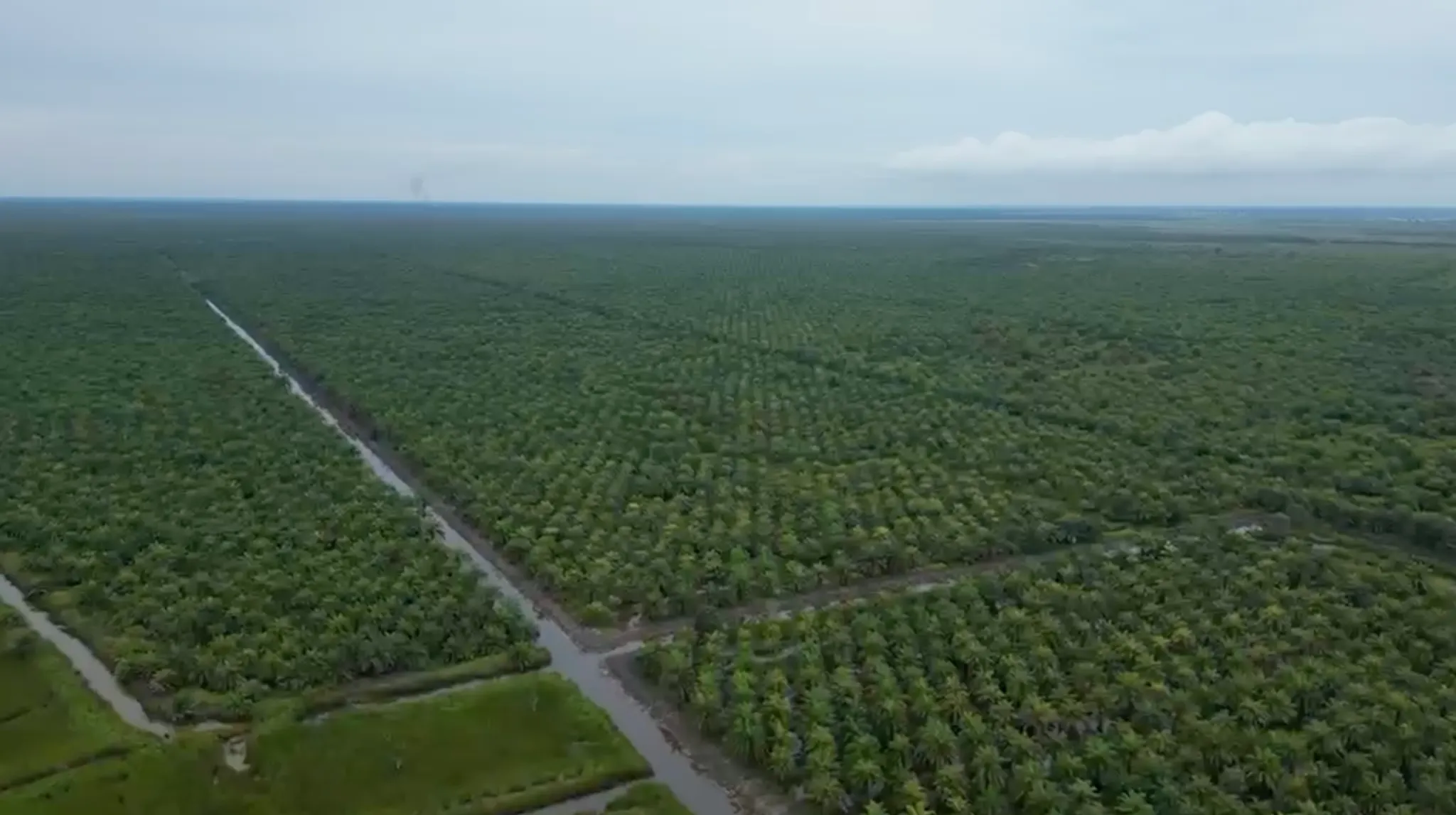
Rp 50 B
Candi Laras Utara
That is the end of the list.
Kalimantan is one of Indonesia's largest oil palm regions, and plantations here change hands in many shapes: privately owned plots, cooperative-run plantations, and company estates complete with their own mill. Vorneo Property markets oil palm plantations in all five provinces of Kalimantan, from South and Central Kalimantan to East, North and West Kalimantan.
The first question is always the paperwork. A company estate usually sits on a Hak Guna Usaha (HGU, a right to cultivate state land) and holds a plantation business permit (Izin Usaha Perkebunan, IUP), while a privately owned plot usually carries a freehold title (Sertifikat Hak Milik, SHM) or a land letter issued per parcel. Check how much of the HGU term remains, whether the boundaries on the ground match the permit map, and that the area lies outside the state forest estate, because overlap with forest land comes up regularly with oil palm in Kalimantan.
A plantation is worth what its palms are worth. Ask for the planting year of each block, where the seedlings came from, and fresh fruit bunch (FFB) production records for the last few years. Oil palm generally starts bearing about three years after planting, peaks in its teens, and needs replanting after around 25 years. The age of the palms decides how long the estate keeps producing before replanting costs arrive.
Access matters as much as the crop. Palm fruit has to be processed soon after harvest, so the distance and the road to a palm oil mill, the state of the estate roads and bridges, and any river route all shape fruit quality and haulage costs. Note too whether the estate is on mineral soil or peat, since peatland comes with its own management rules and different upkeep costs.
An incorporated estate is often sold by taking over the shares of the company that holds its permits rather than by transferring land titles. That means legal and financial due diligence on the company, including its obligation to develop smallholder plantations for the community (plasma), its Indonesian Sustainable Palm Oil (ISPO) certification status, and its tax position. We accompany you from the first introduction to the owner until that process is done.
Some details, such as the exact location, the surveyed area and the company name, are deliberately kept off the public page. We share them with serious buyers once their needs are clear. Tell us on WhatsApp the size, the province and the budget you have in mind, and we will send what fits, including estates we have not listed yet.
Tell us what you need
Message us on WhatsApp: buying or selling, where, and what you're after.
We assess honestly
We help set a fair price, check the legals, and shape the right plan.
We find or market
For buyers we source the right match; for sellers we market widely.
With you to closing
We join viewings and negotiation until it's done, calmly and clearly.
There is no single figure that holds for every estate. The price per hectare depends on the age and yield of the palms, the land right and permits, access to a mill, whether a mill is part of the sale, and the state of the company when the estate is sold through a share takeover. Send us your criteria on WhatsApp and we will help you compare the estates that fit.
A Hak Guna Usaha (HGU) is a right to cultivate state land for a fixed term and is usually held by a company, while a Sertifikat Hak Milik (SHM) is the strongest title to land and is held by individuals. An HGU estate is usually sold by taking over the company that holds it, while an SHM plot is sold like any other land, through a deed of sale signed before a land deed official (PPAT).
Yes. Some offers include a palm oil mill on or near the estate, usually through a takeover of the company that holds both. An offer like that needs a technical inspection of the mill alongside the checks on the estate and its paperwork.
At the owners' request, anything that would lead straight to an estate or its company is kept for serious buyers. The areas on this page are rounded and locations are often shown as an approximation. We share the full details once your needs are clear.
Start with the paperwork (the HGU or title, the plantation business permit, and where the estate sits against the forest estate), then the palms (planting years, seedling source, fresh fruit bunch records), access (estate roads and distance to a mill), the soil (mineral or peat), and the company's obligations such as plasma and tax. We help gather the documents and accompany the site visit.
Yes. Send us on WhatsApp the regency the estate is in, its approximate size, the planting years and the state of its paperwork. We will help you put together an offer that keeps your details private and market it to the right buyers.
Vorneo's team is ready on WhatsApp, free consultation, no upfront fees.